WELCOME TO CITY GUESTHOUSE & TOURS

WELCOME TO CITY GUESTHOUSE & TOURS
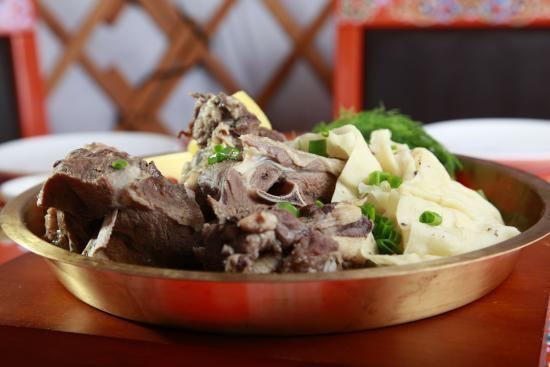
Experience the flavors of Mongolia like never before on this immersive culinary adventure in the heart of nature. Learn to prepare traditional Mongolian dishes using fresh, local ingredients while staying with nomadic families in gers. Explore the countryside, forage for herbs, enjoy meals cooked over open fires, and taste authentic dairy, meat, and bread specialties. Perfect for food lovers and travelers seeking a hands-on, cultural, and unforgettable experience in Mongolia’s pristine wilderness.
Day 1. Mongolian cooking class
In the morning, you’ll have a guidedcity tour of Ulaanbaatar. Lunch will be served at our restaurant with unique Mongolian dishes. After lunch, we enjoy to visit a local market to learn about Mongolian ingredients and try your skills in bargaining and buying produce from the locals. After that, under guidelines of a skillful chef, you'll learn how to cook some typical Mongolian dishes representative of Mongolian cuisine. Stay overnight in a guesthouse. /Breakfast, Lunch,Dinner/
Day 2. Ulaanbaatar – Elsen Tasarkhai – camel riding
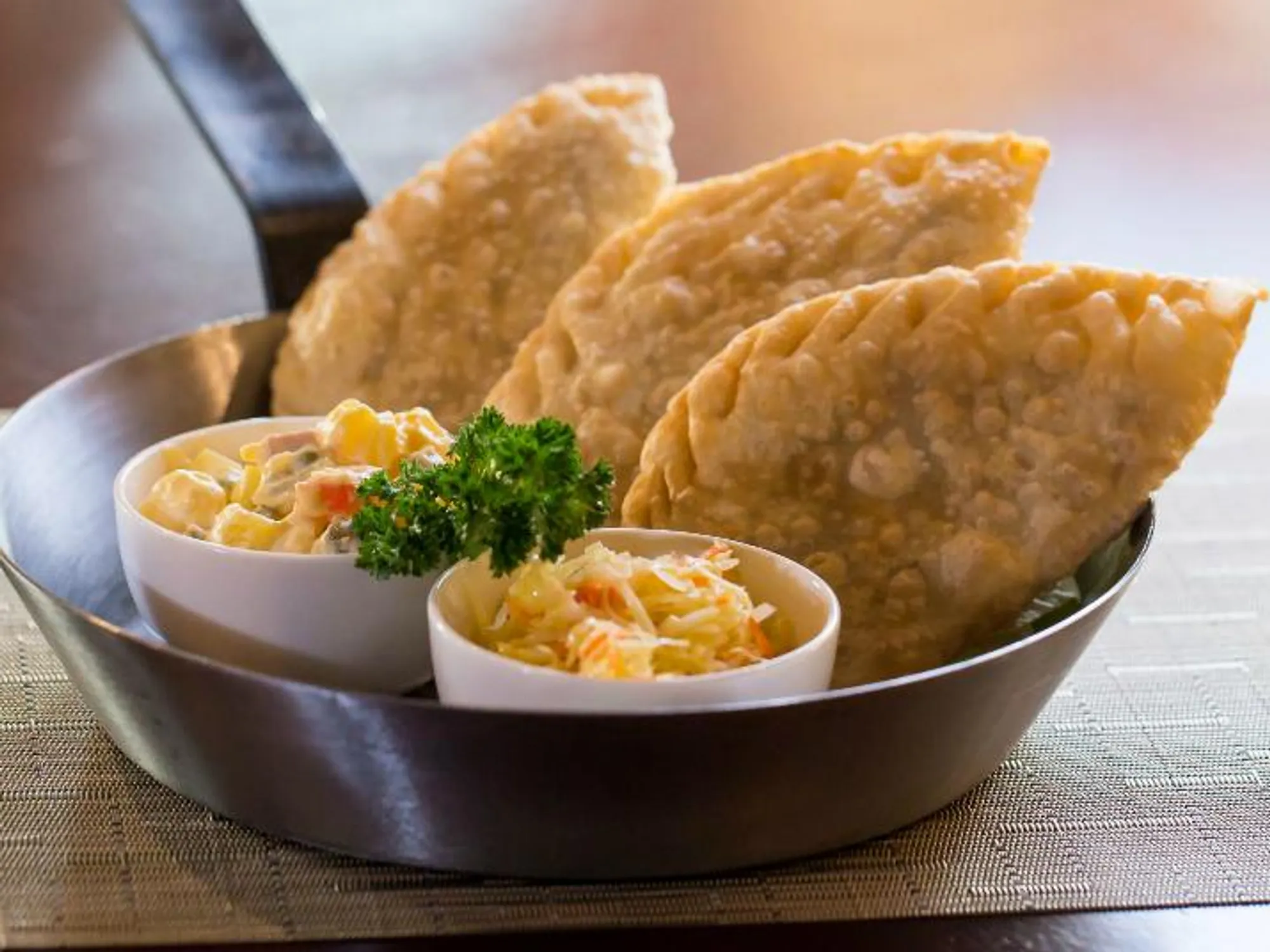
8.00 am - Depart for a 5-6 hour drive to Elsen Tasarkhai. After lunch in a Mongolian Ger, there is an opportunity for a camel ride trial through the sand dunes. This evening you will learn how to cook Mongolian traditional dish Khuushuur (Fried dumpling). Elsen Tasarkha is small sand dunes, 80 km long, continuously lies in the lowland of legendary KhugnuKhaan and Bat Khaan mountains. Sand dunes represents landscape, climate & ecology of Gobi desert, in this region. Large filled pockets, fried or deep fried. It is a kind of meat pastry or dumpling popular in Mongolia. Meat, either beef or mutton, is ground up and mixed with onion (or garlic) salt and other spices. The cook rolls the dough into circles, then places the meat inside the dough and folds the dough in half, creating a flat half-circular pocket. The cook then closes the pockets by pressing the edges together. A variety of khuushuur has a round shape made by pressing the dough and mince together using the dough roller. After making the pockets, the cook fries them in oil until the dough turns a golden brown. The khuushuur is then served hot, and can be eaten by hand. Stay overnight in a Ger of nomad family. /Breakfast, Lunch, Dinner/
Day 3. Elsen Tasarkhai - Kharakhorum
Enjoy an sunrise in Snd dunes before travelling to Kharakhorum. Visit the largest and first Mongolian Buddhist temple complex of Erdene Zuu Monastery and Kharakhorum museum which was opened in 2011. Vist local market and discover varied kind of Mongolian traditional dairy products. Kharakhorum is one of the most important attractions of Mongolia. The town is located about 370 km in the west of Ulaanbaatar, at the river Orkhon. The Kharakhorum was founded in 1220 by Genghis Khan and had been the capital of the Mongolian empire for 32 years. Erdene Zuu monastery is the most ancient Buddhist monastery inthe Mongolia. It is located in the Uvurkhangai Province. It is part of the World Heritage Site entitled Orkhon Valley Cultural Landscape. The monastery was built in 1585 by Abtai Sain Khan, upon the introduction of Buddhism into Mongolia as the state religion. Stones and ruins of the Kharakhorum had been used to the construction. It is surrounded by a wall featuring 108 stupas, 108 being a sacred number in Buddhism, and the number of beads in a Buddhist rosary. The monastery was damaged by warfare in the 1680s, but it was rebuilt in the 18th century. Stay overnight in a Ger guesthouse. /Breakfast, Lunch,Dinner/
Day 4. Visit nomad family and Horkhog real Mongolian Barbacue food tasting
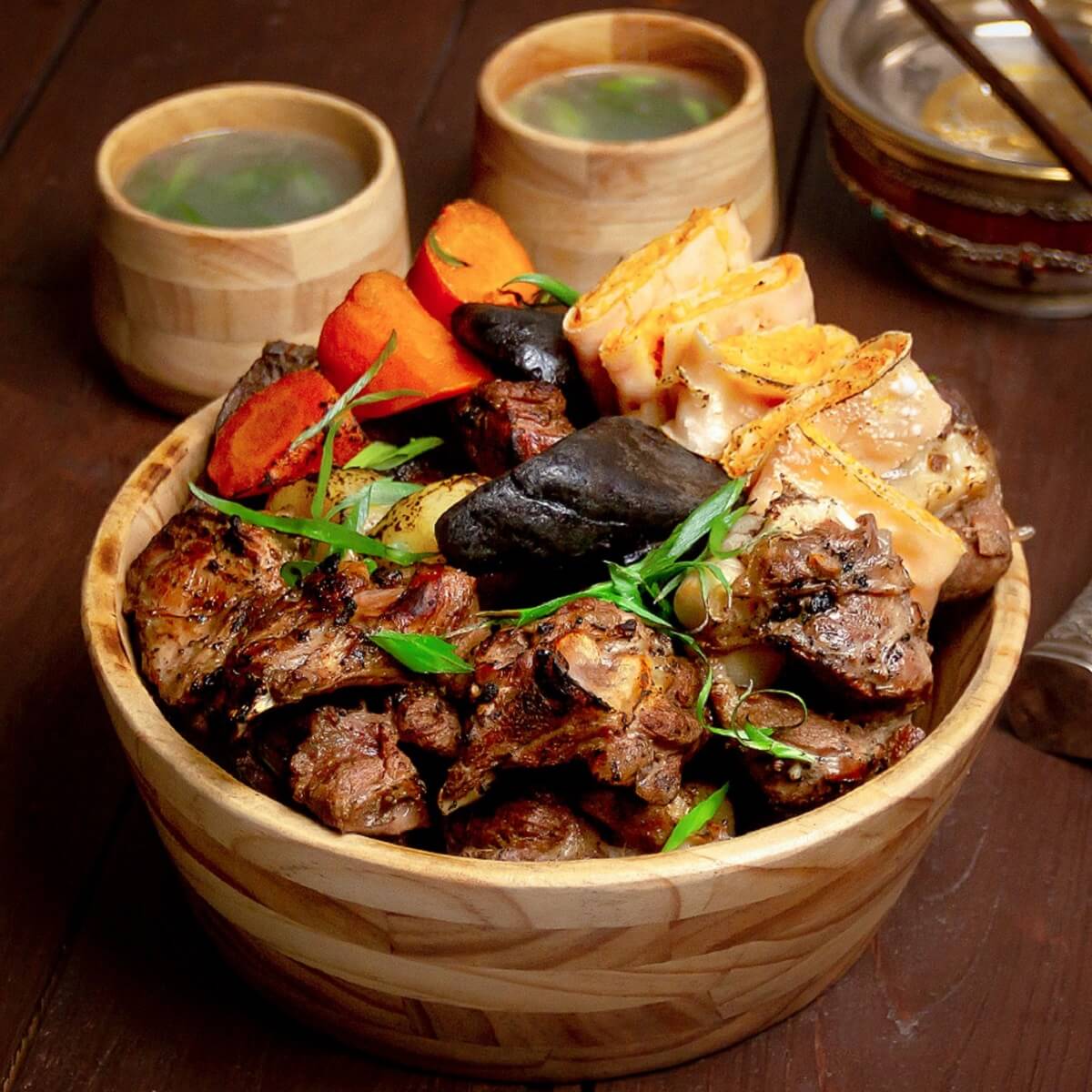
In the morning you will have 45 kms driving to Khotont soum of Arkhangai province. Visit nomad family who is living in this beauty mountains surrounding area many years. Today offers you a good chance for food tasting before leaving heart Land of Greet Mongol Empire. Nomads will introduce you real Mongolian barbecue named as Khorkhog and you will get opportunity to learn this delicious traditional Mongolian dish on your own. Tuvkhun monastery was built in 1653. The Tuvkhun monastey was built at Shireet Ulaan, the most beautiful scenery in Khangai mountains. Tuvkhun monastery is located in the densely forested and picturesque mountain Shivee at an elevation of 2000m above sea level. Tuvkhen monastery consists of a stupa, prayer wheels and 14 temples and orginally had about 20 lamas. This is one of the most surprising (and delicious) of dishes and is typically only cooked on special occasions. The meat (usually mutton or goat) gets cooked in a sealed pot, with the help of hot stones which have been preheated in a fire. This is a particular favourite of the EL drivers who are consummate cooks when it comes to this dish. What adds to the experience, is the celebratory and communal aspect of the dinner - others are always invited to share in the meal (and we always make sure to offer our EL hospitality to those around us when we are cooking khorkhog) and then there is always the fire to relax around when you have finished eating. Then stay overnight in a Ger of nomad family. /Breakfast, Lunch,Dinner/
Day 5. Tuvkhun monastery – Khustai National Park
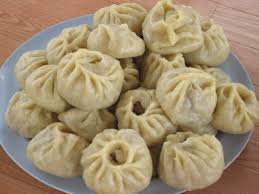
In the morning, your car will drive you to Khustai National Park. Visit small museum of the national park, watch a short movie about wild horses and the national park. We will see in a place where wild horses go down from mountains to drink water. Tuvkhun monastery was built in 1653. The Tuvkhun monastey was built at Shireet Ulaan, the most beautiful scenery in Khangai mountains. Tuvkhun monastery is located in the densely forested and picturesque mountain Shivee at an elevation of 2000m above sea level. Tuvkhen monastery consists of a stupa, prayer wheels and 14 temples and orginally had about 20 lamas. Small filled pockets, steamed. It is a type of steamed dumpling filled with minced mutton, or yak meat. The meat is flavored with onion or garlic and salted. Occasionally, they are flavored with malted fennel seeds and other seasonal herbs. The meat ball is then placed inside a small pocket of dough which is folded around the ball with a small opening at the top and in the chef's own personal style. The buuz is then steamed and eaten by hand, with the dough pocket catching the juices of the meat. Stay overnight a Ger of nomad family. /Breakfast,Lunch,Dinner/
Day 6. Making varies kind of Mongolian traditional dairy products
Today you will prepare dairy products with nomads and feel daily nomad’s chore such as milking cows, producing aaruul (dried curd made by cow’s and goat’s milk.). You’ll spend the night at the bank of the Tuul river. Enjoy view of the Tuul river valley. Tuul river flows along the Central and Norh Mongolia and sacred by the Mongols. It is 704 km long and drains an area 49,840 square km. The Tuul is generally called the KhatanTuul or Queen Tuul. Tuulriver is originated from Khentii Mountains, its water runs through the southern part of the Ulaanbaatar. It is a tributary of the Orkhon River, which flows into the Selenge River, and Lake Baikal.It is typically frozen over from the middle of November through the middle of April. The willow forests grow along the Tuul River, and the river itself is home to endangered species of sturgeon. Airag is Mongolian traditional drink. Rural people making summer time in it. 1000-3000 times bit it in cow' skin bag. (leader bag) Mongolian people used to airag in Naadam festival, wedding, New year and others. Some people can drink 2-3 letre one sit. Airag has included 7-8% of alcohol. So you will drink a lot of airag maybe you hang over. Airag is Mongolian respect and safely drink so you never to spit and drop it outside. During the Naadam and New year festival who win the wrestling competition people present him one big bowl airag. Also horse racing competition whose horse win people drop the airag horse's croup. Mongolian famous and tasty airags originated from Bulgan. Arkhangai, Ovorkhangai provinces. Airag gives strength and cheerfulness and it destroys pathogenic microbes in the intestines and helps improve the living body metabolisms. Leave the milk (usually from cattle, yaks, camels) to curdle. Lift out the solid components with a fine cloth and let as much of the liquid drip off. Then press the mass into a cake of a few cm height between two wooden boards, weighted down with stones.Cut the solid cake into pieces of about 10 length. Arrange the pieces on a wooden board and put them into the sun for drying. In Mongolia, this happens on the roof of the ger. A cover of fine white cloth will keep the birds away.The dried pieces can be stored almost indefinitively. They can get quite hard, so most people rather suck than bite on them. The taste may vary regionally and depending on the milk used, but usually includes a combination of sweet and sour. Stay overnight in a Ger of nomad family. /Breakfast, Lunch,Dinner/
Day 7. The Tuul river – Ulaanbaatar
Drive back to Ulaanbaatar. End of the service. /Breakfast, Lunch/
Tour included
●Experienced guide service /English speaking/
●Experienced driver service
●Entrance fee for protected natural area
●Sightseeing costs
●Stay in a Ger of nomadic family /6nights/
●Transportation
●Camel riding
●Petrol
●Drinking water
●Food /Breakfast, Lunch, Dinner/
Tour excluded:
●Alchohol drinks
●Personal toiletries
●Tips for the driver & guide
●Travel insurance