WELCOME TO CITY GUESTHOUSE & TOURS

WELCOME TO CITY GUESTHOUSE & TOURS
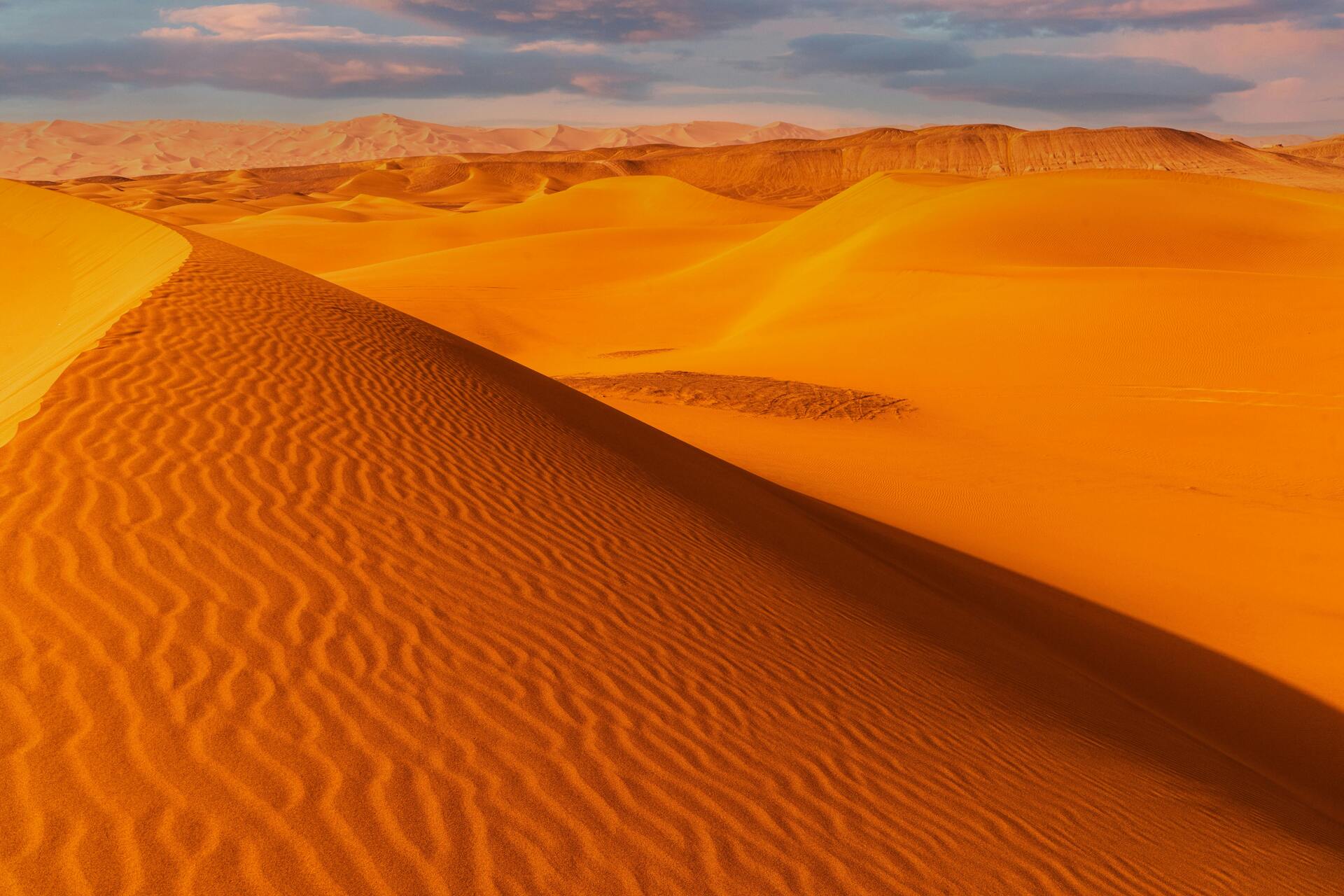
This 8-day tour offers a relaxed journey through the stunning Gobi Desert, perfect for travelers who want to explore at a leisurely pace. Enjoy camel riding, hiking, and wildlife spotting while soaking in vast sand dunes, desert plains, and unique rock formations, with opportunities to experience nomadic culture and spend more time in each location.
Day 1.Tsagaan Suvarga
Tavel to Tsagaan Suvraga, is located in Dundgobi province. Tsagaan Suvraga, is located in the Dund Gobi province. It’s 90 degree of straight, consists of many colors of clay deposits. In ancient times, there was a big sea in Khevtee and Bosoo valleys of Tsagaan Suvarga. After dried up the sea, this area became a valley with many glacis and escarpments, covered by many different sedimentary deposits. Tsagaan Suvarga is a big escarpment with 200m height and 400m long. This place has been protected since early times by local nomads . Stay over night in a Ger of nomad family. / Lunch, Dinner/
Day 2. Travel to Yol valley
Travel to Yol valley is situated in east north part of Zuun Saikhan Mountain. Yol valley is one of the natural wonder of Gobi Gurvan Saikhan National Park and beautiful deep canyon with many rocky cliffs, has been created by many years of water erosion. The Yoliin Am, a protected site in 1965, is 62 km north west of Dalanzadgad. Very wide at the entrance, it narrows gradually into a remarkable gorge. A spring 2 or 3 km long winds its way through the defile and in July, freezing into a thick corridor of ice that stretches along a considerable distance. In earlier times, the blocks of ice rarely melted, being protected from the vicious sunlight. This, however has changed in recent years, partially because of the multitudes of tourists that walk on the ice. You can still see ice here in July but it is almost completely melted by August. Following the canyon to the very end, one emerges into a beautiful wide valley. Surrounding mountains are home to argali, ibex, and many birds of prey, as well as numerous small rodents particular to the Gobi. A small museum marks the entrance to the protected zone and provides information on the petrified trees, fauna and flora of the Gobi. Stay overnight in a Ger of nomad family. /Breakfast, Lunch, Dinner/
Day 3. Travel to Khongoriin Els sand dunes
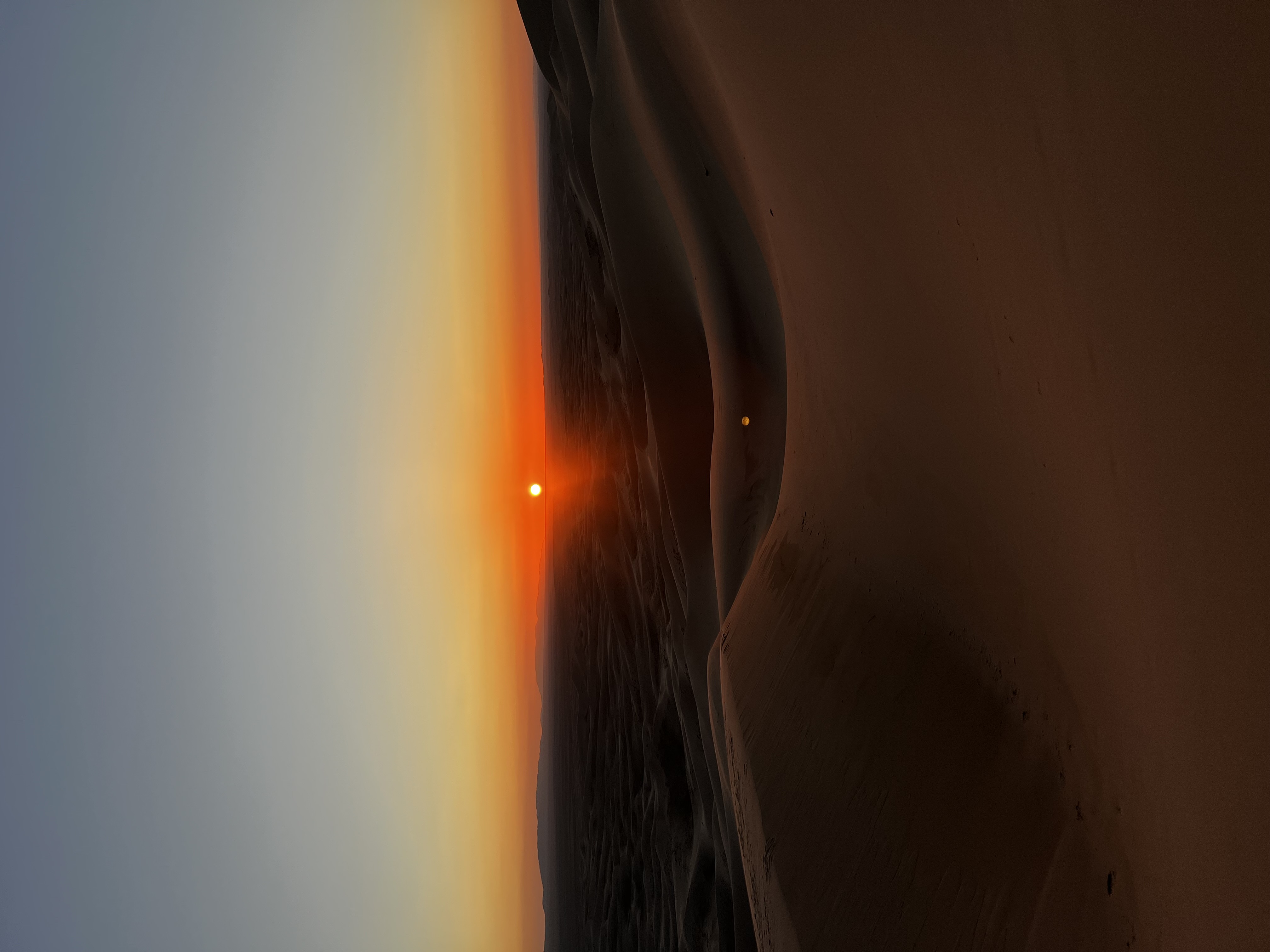
Travel to Khongoriin Els sand dunes. Khongoriin Els sand dunes are some of the largest and most impressive sand dunes in Mongolia. Also known as the DuutMankhan( singing dunes ). Hongoriin Els stretch for more than 180 km with majestic heights of 15-30 m. The largest dunes are north west of the range. You can climb to the top of the sand dunes and slide down : simultaneously the dune begins to make an amazing sound : similar to singing. From the top of the sand dunes the view of the desert is amazing. Stay overnight in a Ger of nomad family. /Breakfast, Lunch, Dinner/
Day 4. Stay in a nomad family and camel riding
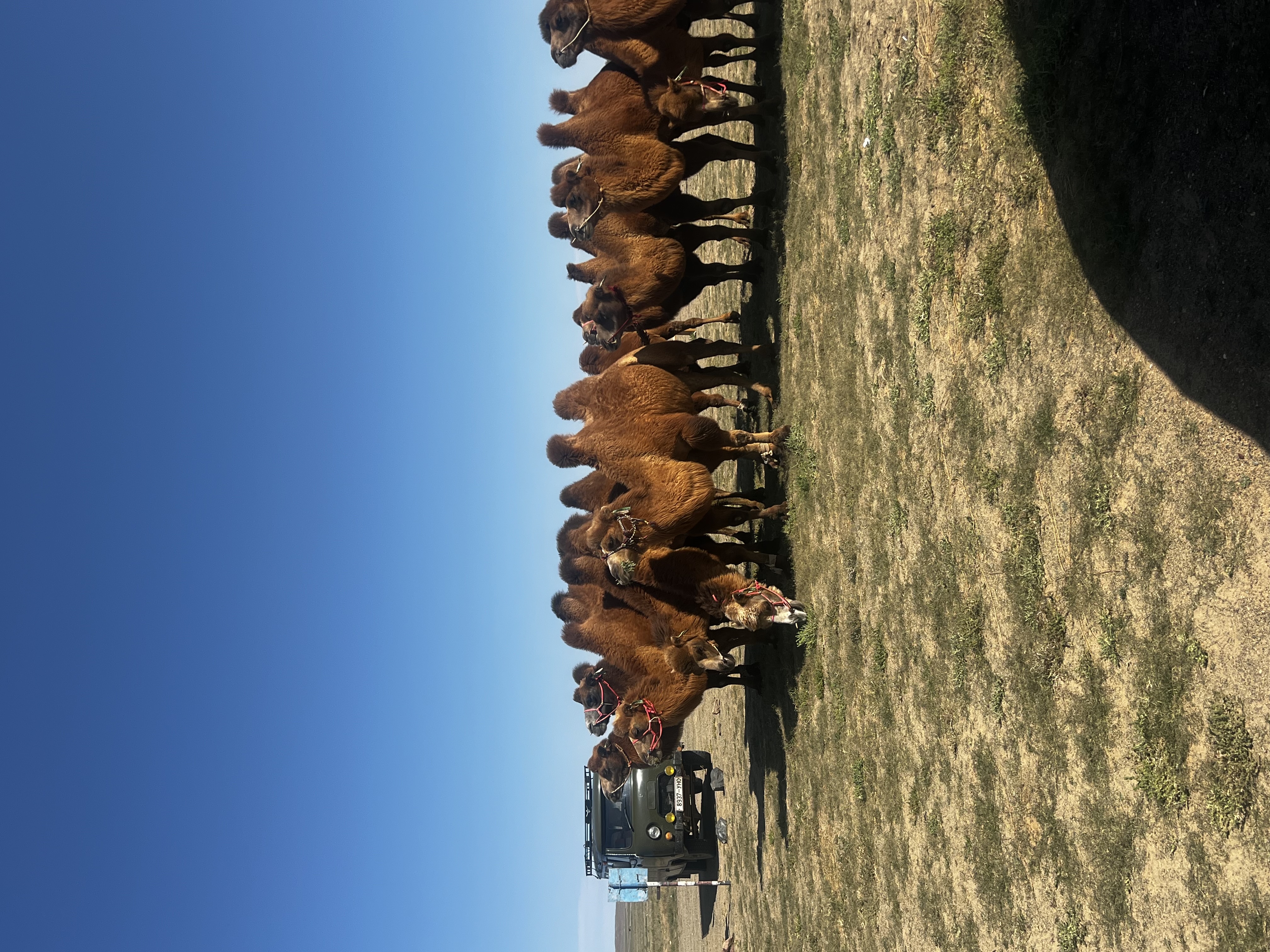
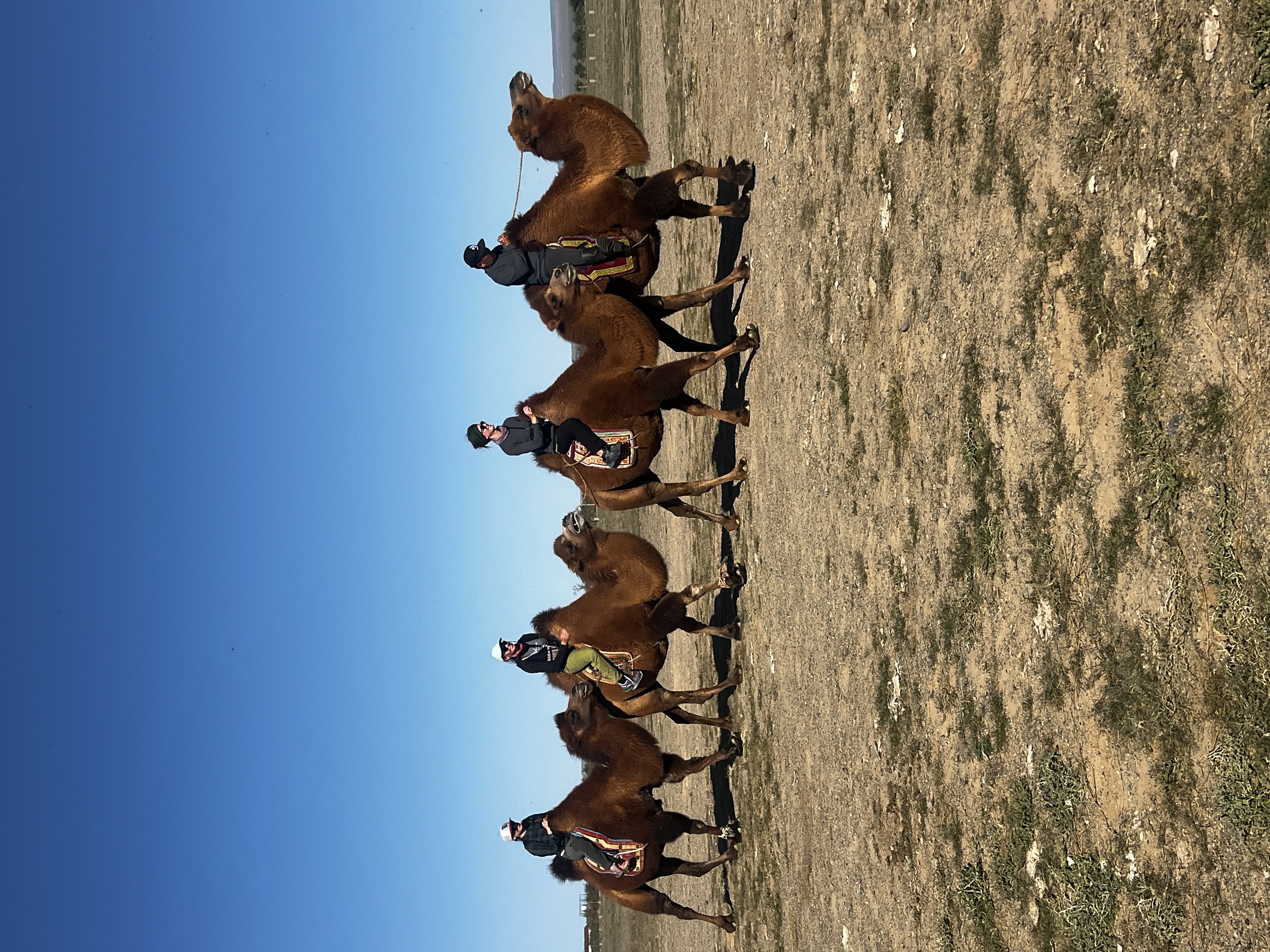
This day you will get opportunity to ride camel through the sand dunes. Stay overnight in a Ger of nomad family. /Breakfast, Lunch, Dinner/
Day 5. Travel to Bayanzag
Continue to drive to Baynzag. Bayanzag is the place where famous explorer and dinosaur hunter Roy Chapmen Andrews’ expedition discovered first time complete skeletons , eggs and hatchlings of the Cretaceous Period in 1922 , the world ever found. Imagine something unique in the area where dinosaurs were lived 70 million years ago. Here also you will see sakaul forest grown in hard condition of the Gobi and red flaming cliffs formed by the erosion of the sand and rock over many thousand of years.Stay overnight in a Ger of nomad family. /Breakfast, Lunch, Dinner/
Day 6. Travel to Ongi Monastery
Drive to Ongi Monastery. Today you will go a round of Ongi Monastery and will discover that what happened there during the communist regime time. Ongi monastery is formerly one of the largest monasteries in Mongolia .Ongi monastery was founded in 1660 and consisted of two temple complexes on the north and south banks of the Ongi River. The older southern complex consisted of various administrative buildings as well as 11 temples. The northern complex built in the 18th century, consisted of 17 temples-among them one of the largest temples in all Mongolia.The Ongi monastery grounds also 4 religious universities and could accommodate over one thousand monks at a time. But during 1930s the monastery was completely destroyed and over 200 monks were killed by the communists. After democracy of Mongolia in 1990, monks returned to Ongi monastery where they had begun their Buddhist education as young children some 60 years prior. These monks started laying new foundation upon the old ruins, with a vision to restore Ongi monastery and revitalize Buddhism in Mongolia. Ongi River is one of the longest river in Mongolia has 435 km length and flows into UlaanNuur. A river takes source from the Khangai Mountain range in Ovorkhangai Aimag. Stay overnight in a Ger of nomad family. /Breakfast, Lunch, Dinner/
Day 7. Travel to Baga Gazriin Chuluu
Travel to Baga Gazriin Chuluu. Baga Gazriin Chuluu is located at Mongolian granite rock zone in the Dund Gobi province. Chuluu means stone .Baga Gazriin Chuluu, is a 15km long and 10 km wide stone massif, and it is located 30 km far from south east of Adaatsag soum. This stone massif is also part of the Mongolian granite stone zone. The highest point is Tahilgat Mountain /1758 m/ in the Northwest part of the stone massif.This place is popular at inhabiting the wild sheep, ibex and marmots. Surtiin am is one of many beautiful places in Baga Gazriin Chuluu. This is a narrow canyon with asp, birch, white whicker and elm tree, as well the ruin of a stone temple and the site of 2 yurts where monks lived and meditated since the seventieth century. There is a 20 m long cave near to the Surtiin Am. Crystals can be found around the cave. Life size paintings of deer are painted on a granite stone and another yurt shaped stone called Ger chuluu. According to scientists, 64 tombs and tumuli dated back to Khugnu tribe have been found around Baga Gagriin Chuluu .Also, there is a spring water which comes from under source is good for eye illness. Stay overnight in a Ger of nomad family. /Breakfast, Lunch, Dinner/
Day 10. Ulaanbaatar
Today we will drive back to Ulaanbaatar. Transfer to your accommodation. End of the service. /Breakfast, Lunch/
Tour included
●Experienced guide service /English speaking/
●Experienced driver service
●Entrance fee for protected natural area
●Sightseeing costs
●Stay in a Ger of nomadic family /7nights/
●Transportation
●Fee for camel riding
●Petrol
●Drinking water
●Food /Breakfast, Lunch, Dinner/
Tour excluded:
●Alchohol drinks
●Personal toiletries
●Tips for the driver & guide
●Travel insurance